Sustainable Landscaping Ideas for an Eco-Friendly Outdoor Space Jun 28, 2026
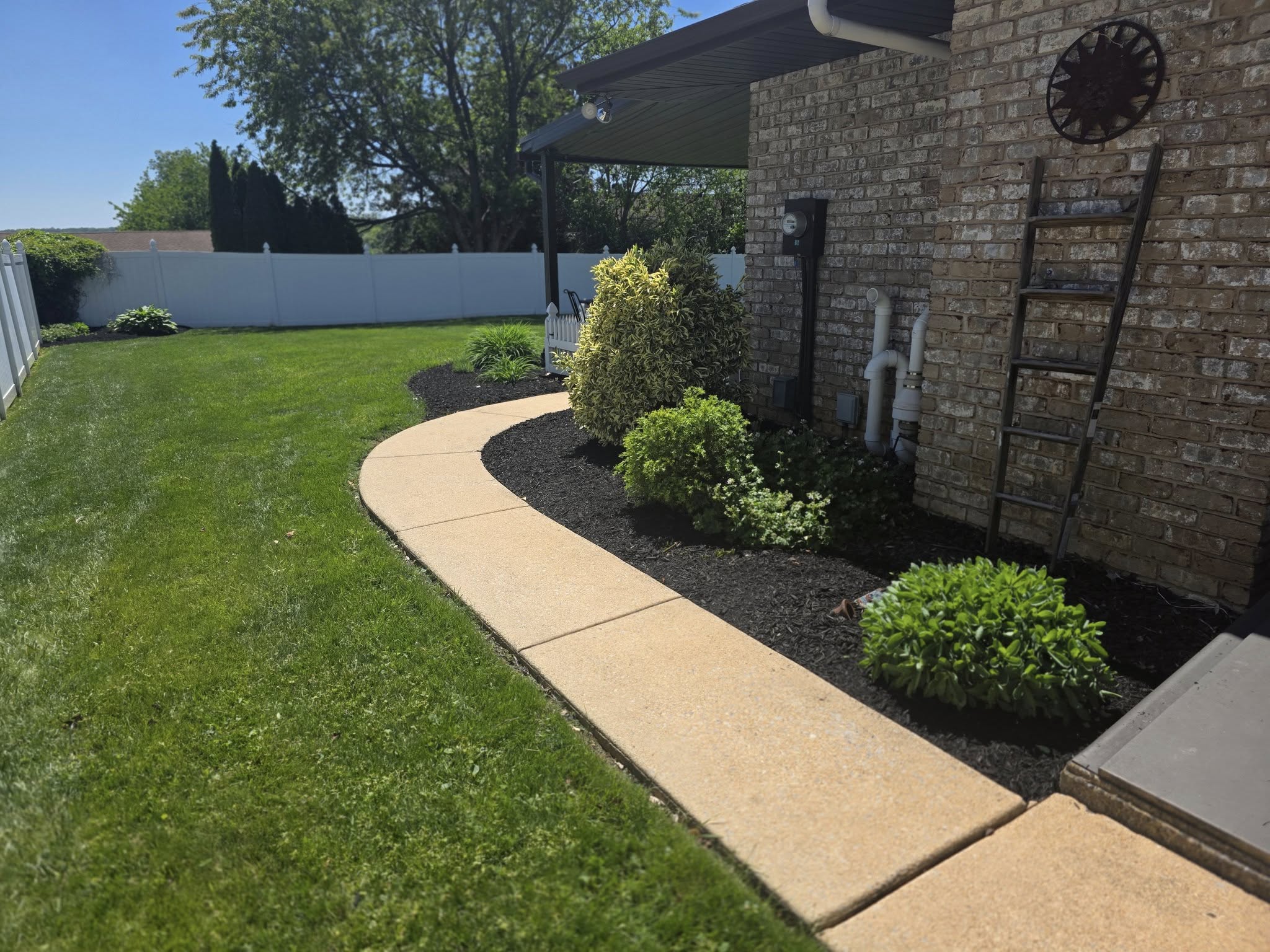
Begin by evaluating your current landscape and identifying areas where you can incorporate sustainable practices. The first step towards an eco-friendly yard is reducing water waste. Implementing efficient irrigation systems like drip irrigation or soaker hoses ensures that water reaches the roots where it is needed most, minimizing evaporation and runoff. Additionally, consider collecting rainwater using barrels, which can be used to water plants during dry spells.
Selecting native plants is another key strategy. Native species are well-suited to local climate conditions, requiring less water and maintenance. They provide habitat for local wildlife and contribute to the biological diversity of your garden. As you plan your landscaping, consider a mix of flowering plants, shrubs, and trees that bloom at different times of the year. This will ensure your garden offers continuous blooms while attracting pollinators such as bees and butterflies.
Reducing lawn areas can significantly lower water consumption and maintenance efforts. Replace sections of traditional grass with ground covers or ornamental grasses, which require less water, mowing, and fertilizer. If you prefer to keep a lawn, opt for drought-tolerant grass varieties that thrive with less water.
Incorporating permeable surfaces is a forward-thinking approach to managing stormwater runoff. Instead of traditional concrete or asphalt, choose porous materials such as permeable pavers, gravel, or decomposed granite for pathways and driveways. These materials allow rainwater to percolate back into the soil, reducing runoff and replenishing groundwater supplies.
Creating areas dedicated to composting is another excellent strategy for sustainable landscaping. Composting kitchen scraps and yard waste not only reduces landfill contributions but also enriches your garden soil, providing essential nutrients to your plants naturally. At Abbott’s Lawn & Landscape, we recommend setting up a simple compost bin in a discreet corner of your garden for easy access.
Additionally, opting for organic lawn care products will help maintain the health of your outdoor space without harming the environment. Organic fertilizers and pest control solutions improve soil health and promote beneficial microorganisms, ensuring a healthy garden ecosystem.
Lighting is another factor to consider. Opt for solar-powered garden lights or LED fixtures that use significantly less energy than traditional bulbs. This simple change can reduce your outdoor energy consumption and lower your carbon footprint.
Finally, sustainable landscape maintenance is crucial. Regularly pruning plants and trees encourages healthy growth and reduces disease risk. Use manual tools or electric equipment instead of gas-powered ones to cut down on emissions and noise pollution.
In conclusion, creating a sustainable landscape is not only beneficial for the environment but also adds vitality and natural beauty to your outdoor space. By embracing these eco-friendly practices, you can enjoy a harmonious balance between nature and design. At Abbott's Lawn & Landscape, we are committed to helping you achieve an environmentally responsible garden that thrives for years to come. Remember, every small step towards sustainability contributes to a healthier planet and a greener future.
/filters:no_upscale()/filters:format(webp)/media/00d2b945-f191-41f6-a641-e9e3d63346b7.webp)